How Long Do Veneers Last Before They Need Replacing?
May 4, 2026

Back to Blog
.png)
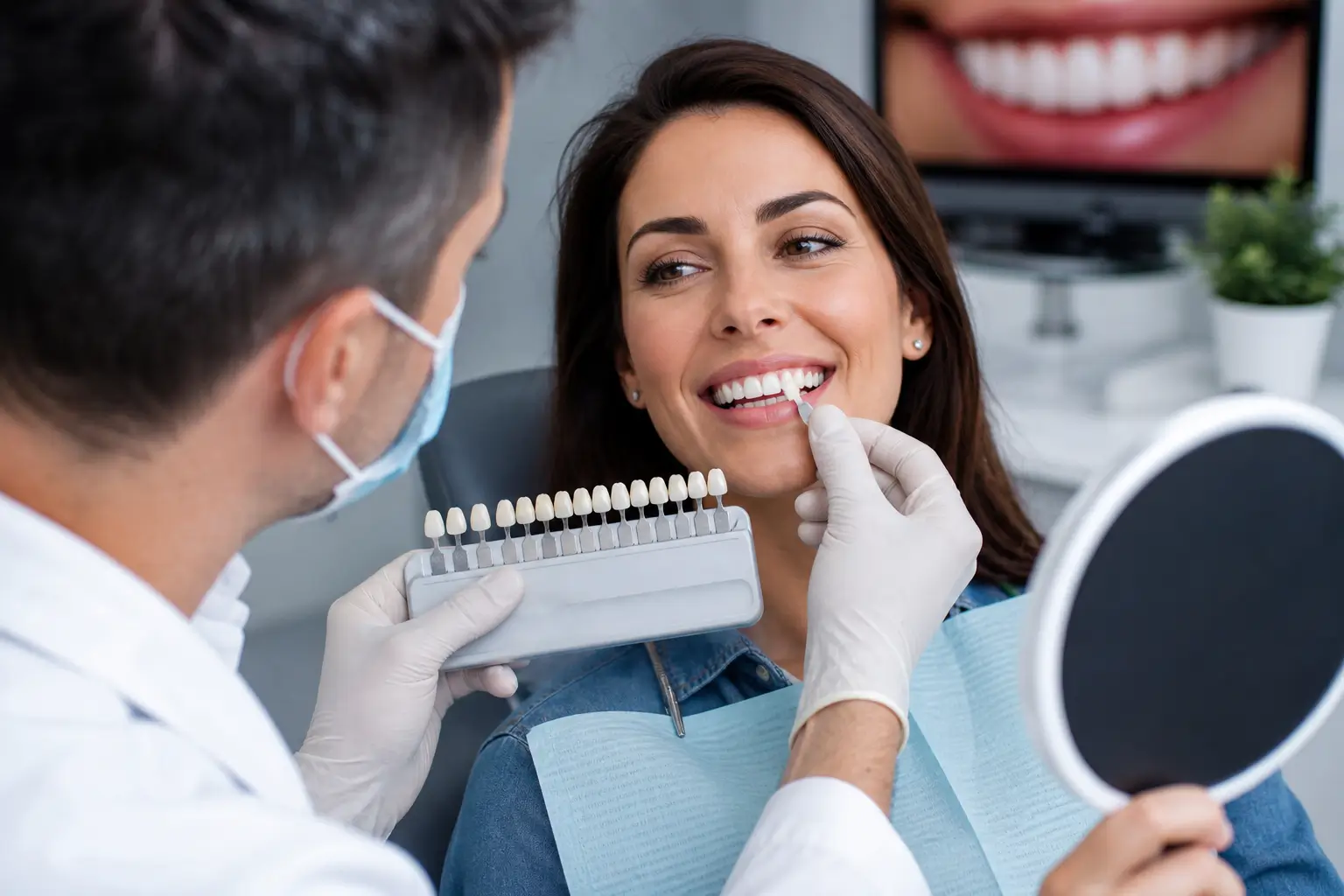
Veneers are thin shells—typically porcelain or composite resin—bonded to the front surfaces of your teeth. They're designed to improve color, shape, symmetry, or mask chips and wear. But here's something important to know upfront: placing veneers usually requires removing a small amount of enamel to make room for the restoration. This step is permanent because veneers cover and protect remaining enamel—they can't regenerate what's been removed. So the decision to get veneers deserves careful thought.
There are two main types you'll encounter. Porcelain (ceramic) veneers are custom-made in a dental lab and then bonded to your teeth. Composite resin veneers are typically built directly onto your teeth during a single office visit, though some are fabricated outside the mouth. The material you choose affects how long your veneers last, how they handle stains, what happens when something chips, and ultimately what you'll pay.
Veneer longevity isn't random—it comes down to a few key factors that you can actually influence. Understanding these can help you get the most out of your investment and delay the need to redo veneers sooner than necessary.
Bite forces matter more than you might think. Grinding and clenching (bruxism) are among the leading causes of chipped, cracked, and debonded veneers. Even beautifully crafted restorations can't hold up indefinitely against a nighttime grinding habit.
Oral hygiene protects what's underneath. The veneer material itself won't decay, but the tooth structure beneath and around it absolutely can—especially at the edges where the veneer meets natural tooth. Skipping flossing or missing dental cleanings lets bacteria build up exactly where you can't afford problems. Consistent veneer maintenance is essential for protecting both the restoration and the underlying tooth.
Diet and habits play a role too. Chomping on ice, chewing pen caps, or biting into hard candy stresses both porcelain and composite. Coffee, tea, red wine, and tobacco show up faster on composite surfaces, but they can eventually affect how natural the overall smile looks regardless of material. Regular polishing and upkeep—especially for composite—helps maintain appearance over time.
A practical way to think about it: choose porcelain when longevity and stain resistance top your priorities; consider composite when budget, speed, and repairability matter more. Neither option is inherently superior—it depends on your bite, clinical situation, and what you value most.3
Veneers are bonded restorations. Once that bond weakens or the edge seal fails, the problem won't fix itself. Some issues stay purely cosmetic for a while; others can progress quickly—particularly when gaps develop at the margins where bacteria like to gather. Knowing when to replace veneers versus when to monitor them can save you significant time and expense.
Your bathroom mirror can reveal surface changes, but it can't show what's happening under a veneer or at the margin. A dentist using magnification and X-rays (particularly bitewings) can spot hidden decay, cement breakdown, or gum changes that aren't visible to the naked eye. Understanding what happens when your veneers get old helps you recognize problems before they escalate.
The real risk with a veneer that's failing usually isn't how it looks—it's what can happen to the tooth underneath or along the edges. Understanding what happens if veneers are not replaced when they're compromised helps explain why timely action matters.
When a margin starts leaking or a veneer comes loose, decay can develop under or around the restoration. What might have been a straightforward veneer replacement can turn into crown work or, in some cases, root canal therapy. Gum inflammation and recession can expose veneer edges, affecting both health and appearance over time. And complete breakage or debonding becomes increasingly likely when bite forces concentrate on a compromised restoration.
A superficial cosmetic chip can sometimes wait briefly—if your dentist confirms the margins are sealed and your bite is stable. But looseness, gaps at the edge, pain, swelling, or bleeding? Those warrant priority attention. This is why replacement matters when the seal or bond fails—the consequences of delay extend far beyond aesthetics.
This is where many people either overspend or take unnecessary risks. A quick repair makes sense when the veneer is still properly sealed and stable. Replacement becomes the better path when the seal is compromised, the veneer is moving, or there's meaningful risk of decay.
Can veneers be repaired if they chip or crack? Often yes—but it depends on the extent of damage and whether the underlying bond remains intact.
Minor adjustments to shape or contour are sometimes possible through careful polishing, but significant reshaping typically requires replacing the veneer entirely.
A word of caution: Skip the home "fixes" like superglue or DIY bonding kits. They can damage your tooth structure, irritate your gums, and make professional repair more difficult. Whitening products won't change porcelain color either—and may irritate gums around margins that are already failing.
The specifics vary depending on whether your dentist works with an in-house lab or sends cases out, but most procedures for replacing porcelain veneers follow a similar sequence.
It starts with evaluation and planning—photos, shade selection, bite assessment, and X-rays when appropriate. Many practices can create a mock-up so you preview shape and length before anything permanent happens. Next comes careful removal of the old veneer, preserving as much natural tooth structure as possible. Impressions or digital scans follow; intraoral scanners are increasingly common, though traditional impressions remain accurate.
If needed, temporaries protect your teeth and let you test-drive the look and feel while your permanent veneers are being fabricated. At the try-in appointment, fit, color, and bite are evaluated—small refinements here prevent future chipping or discomfort. Finally, permanent bonding cements the veneers in place using materials designed for long-term durability and aesthetics.
When replacing old veneers with new ones, the process may require slightly more tooth preparation if the original margins have deteriorated or if decay needs to be addressed first.
Provider choice matters because veneer success hinges heavily on planning, bite design, margin control, and bonding technique—not just the material itself.
Fees vary considerably based on location, dentist experience, case complexity, and which materials and labs are used. These ranges represent common ballparks, not guaranteed quotes. Understanding veneer replacement costs in different markets helps you budget realistically. Note that veneers are typically considered cosmetic, so most dental insurance plans do not cover them—expect to pay the full amount out of pocket regardless of your coverage.
A common question: are replacement veneers cheaper than first time? Not necessarily—replacing old veneers may actually cost the same or more if additional preparation, decay treatment, or gum work is needed before new restorations can be placed.
To compare fairly, focus on landed cost—your total out-of-pocket including travel, time away from work, and what happens if you need a quick adjustment or repair after returning home.
Cost FactorStaying LocalTraveling for TreatmentProcedure, imaging, temporariesEasier to clarify and manageMay appear lower; confirm every line item in writingTravel, lodging, mealsNoneTypically $500–$2,000+ depending on destination and durationTime away from workUsually 1–2 partial daysOften several days, especially when lab time is involvedFollow-up and emergenciesGenerally simpler to scheduleMay require fees at home or a return trip
If you're considering Mexico and want to reduce guesswork about credentials, materials, pricing, and realistic timelines, a structured comparison helps. Globalcare connects patients with dental clinics in Mexico, allowing you to compare treatment plans, pricing, reviews, clinic credentials, and before-and-after photos.
the cost of dental implants in Mexico
Compare pre-screened dental clinics in Mexico
Whether you're comparing local dentists or exploring options abroad, a simple framework keeps you focused on what actually affects outcomes. Think MAPS:
M: Material and current condition. Know whether you have porcelain or composite, and identify what's actually failing—chip, margin, bond, color, gum recession.
A: Assessment. Get a proper evaluation that covers bite, margins, gum health, and X-rays when indicated—not just a quick cosmetic glance.
P: Proof. Verify licensing, confirm which lab and materials will be used, and get warranty terms in writing.
S: Support. Ensure aftercare is clear—follow-up plans, who to contact for problems, and a complete all-in cost estimate.
If you're unsure what type of veneers you have, your original clinic may have records—photos, shade selections, lab paperwork, and X-rays. Request copies, especially if you might see a different provider.
Expect questions about factors that strongly influence veneer lifespan: nighttime grinding or clenching (often managed with a night guard), acid reflux or GERD, smoking, and whether you've experienced repeated chips—which can signal an underlying bite or design problem.
Getting new porcelain veneers? Ask which ceramic is being used. Common options include lithium disilicate (often branded as IPS e.max) and feldspathic porcelain. Some cases use zirconia-based ceramics, though zirconia appears more commonly in crowns than traditional thin veneers. Your dentist should explain why a particular material matches your enamel, bite, and cosmetic goals.
Veneers are elective, expensive, and technique-sensitive—asking for proof before committing is entirely reasonable.
For US dentists, verify licensing through your state dental board (examples: the Dental Board of California or the Texas State Board of Dental Examiners). For dentists in Mexico, ask for the dentist's cédula profesional and verify it through Mexico's Registro Nacional de Profesionistas (Dirección General de Profesiones).
Ask to see before-and-after examples of cases similar to yours—not just one carefully selected "perfect" result. For porcelain work, find out which lab fabricates the veneers and what ceramic is used. Get warranty terms in writing, including what's covered, what's excluded (grinding without a night guard, for instance), and how to file a claim.
Great veneers aren't just about the bonding appointment—they're about what happens afterward. Before you book, make sure you know who to contact if something feels wrong (including after-hours options), whether follow-up bite adjustments are included, what documentation you'll receive for future care, and your complete all-in cost covering procedure, imaging, temporaries, adjustments, and likely add-ons.
The goal when traveling for dental work is straightforward: protect the bond early, stay nearby long enough for quick adjustments if needed, and bring home records that any dentist could use if something comes up later.
Aim to stay at least 2–3 days after final bonding when possible. For multi-veneer cases—or if you've had bite issues before—a 4- to 7-day buffer often proves more comfortable.
Day of bonding: Stick to soft foods and avoid biting into anything hard—crusty bread, nuts, jerky. Confirm after-hours contact information before leaving the clinic. Take photos of your smile and bite for your own records.
Days 1–2: Mild gum tenderness or sensitivity is normal. If your bite feels "high"—like one tooth hits first—request an adjustment. Ignoring this is a common cause of chipping.
Days 3–7: Gradually return to normal foods, but hold off on stress tests (apples, ice, hard candy) until your dentist gives the green light. Continue brushing and flossing gently at the margins.
Make sure you leave with emergency contact information (clinic phone, WhatsApp, email, plus after-hours instructions), the name of a dentist at home you could see if needed (even for a bite adjustment), and complete documentation: operative notes, material and lab details, photos and X-rays, and warranty information.
Asking these isn't "being difficult"—it's how you protect your health, time, and money, especially when traveling for treatment.
Good records make future repairs, emergency visits, and second opinions dramatically easier—especially after treatment abroad. Make sure you collect operative notes (what was done and what materials were used), an itemized invoice with line items, lab information and material details if applicable, before-and-after photos along with relevant X-rays, written warranty with clear claim instructions, and an aftercare plan including follow-up schedule and urgent contact information.
For expensive or irreversible dental work—particularly out of the country—a second opinion is often money well spent. It can confirm whether you actually need replacement versus repair, identify bite issues that might break new veneers, and help you compare quotes more fairly.
Send clear photos (front view, side angles, teeth biting together, gently open views) along with recent X-rays if available, especially bitewings. Ask for recommendations and pricing in writing. For larger cases, two independent opinions make sense.
When contacting clinics, ask directly: "Based on my images, do you recommend repair, partial replacement, or full replacement—and why?" "What's the total all-in cost, including common add-ons?" "Which material and lab would you use?" "Is there a written warranty, and how does follow-up work if I'm out of town?"
If a clinic hesitates to provide basics in writing—itemized quote, warranty terms, aftercare plan—that tells you something useful before you commit any money.
Get in touch to get started!
Our team of experts will ensure your all-on-4 dental implants journey is safe and easy. We're dedicated to guiding you to your new smile every step of the way!
ConnectConcierge Services

Trusted Dentists

Safe Locations

Concierge Services
Trusted Dentists
Safe Locations

Disclaimer: Dental Cost Estimation Calculator
This Dental Cost Estimation Calculator is designed to provide users with estimates of potential savings when seeking dental treatments abroad compared to the cost of similar procedures in the United States. However, please be aware of the following important information before using this tool:
1. Estimations Based on Publicly Available Data:
The estimates provided in this calculator are derived from publicly available data sources, including average procedure costs, exchange rates, and other relevant information. These figures may not reflect the exact costs of your specific treatment or location. Estimations include non-dynamic assumptions for travel and lodging costs that may not reflect the actual costs at the time of your research.
2. Quantitative Model Assumptions:
The calculations are based on assumptions and data inputs that may not account for all factors influencing dental treatment costs. Variations in individual treatment needs, dentist fees, and other variables can significantly affect the final expenses.
3. No Substitute for Professional Advice:
This tool is not a substitute for professional dental advice. Before making any decisions about your dental treatment, it is crucial to consult with a qualified dental professional who can provide you with a personalized assessment of your needs and potential costs.
4. Currency Exchange Rates:
Estimates involving foreign treatment costs rely on currency exchange rates, which can fluctuate. The rates used in this calculator may not accurately represent the current market rates at the time of your treatment.
5. Geographic and Facility Variations:
Dental costs can vary significantly based on geographic location, dental facility, and the complexity of the procedure. The estimates provided are general in nature and may not reflect the specific conditions in your chosen destination or dental clinic.
6. Non-Inclusive Costs:
This calculator may not account for additional expenses such as per diem costs in destination or unforeseen complications during or after the procedure. These costs can substantially impact your overall expenses.
7. Liability Waiver:
By using this calculator, you acknowledge that the estimates provided are for informational purposes only, and Globalcare Network Inc or any of its representatives bear no responsibility for the accuracy of the estimates or any decisions made based on them.
8. Independent Research Recommended:
It is strongly recommended that you conduct independent research, obtain quotes from dental professionals, and consider all relevant factors when making decisions about dental treatment abroad.
In summary, while this Dental Cost Estimation Calculator aims to provide helpful information, it should not be the sole basis for your decision-making process. Your individual circumstances and dental needs may differ, and it is essential to seek professional advice and conduct thorough research before pursuing dental treatment abroad

