How Much Does a Root Canal Cost Without Insurance? Ways to Save
February 16, 2026

Back to Blog
.png)
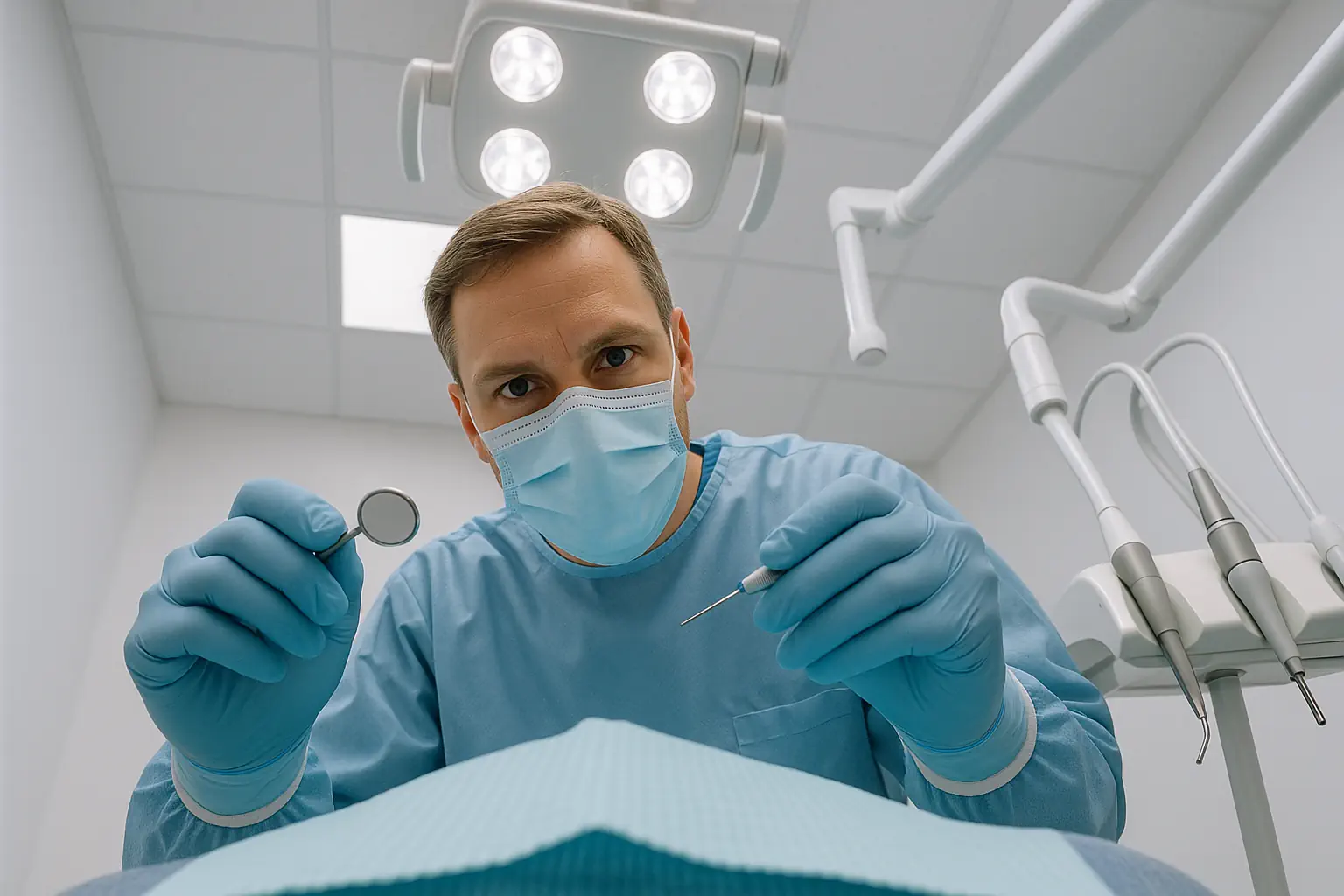
Before diving into numbers, here are three rules worth following. This is the same advice many dentists would give their own family members—it protects both your health and your wallet from unwelcome surprises.
Think about "total tooth cost," not just the root canal. The procedure itself is rarely the end of the road. Most teeth—especially molars—need a core build-up and crown afterward to prevent cracking, though this depends on how much healthy tooth structure remains. If you only compare root canal prices, a "cheap" quote can balloon the moment restoration enters the picture. That's why understanding the full root canal and crown cost without insurance matters more than the procedure price alone.
Separate urgency from strategy. Severe pain, swelling, fever, drainage, or trouble breathing? That's not the time to shop around via email. Get seen locally, today if possible. Once you're stabilized, you'll have the breathing room to make a smarter choice about where to finish treatment—whether that's locally, with a specialist, at a dental school, or even in Mexico.
Savings only count when the plan is documented and comparable. You can often pay less by choosing a general dentist over an endodontist, picking a lower-cost city, using a dental school clinic, or heading to Mexico (where costs often run 40–70% less, though savings vary). The safe approach requires some legwork: get dated, itemized quotes, confirm what's included, verify aftercare and record-transfer details, then compare apples to apples.
Everything that follows will help you do these three things well—understand typical prices, sidestep hidden fees, and choose a plan that's both affordable and safe.
When tooth pain strikes, it can feel like your options are shrinking by the minute. The fastest relief sounds like the best option. But accepting the first price you hear—without clarity—can lead to a bill hundreds or even thousands of dollars higher than expected.
Safety comes first. If you're experiencing severe pain, swelling, fever, drainage, or difficulty swallowing or breathing, seek urgent care locally right away (jump to If You're In Pain Right Now). Once stabilized, request a detailed, dated, itemized estimate before committing—especially if you're thinking about traveling for treatment.
Before signing off on any quote, make sure you can answer these questions: Does it cover only the root canal, or does it also include the build-up, post, crown, and follow-ups? Are sedation, lab fees, emergency surcharges, and extra imaging (like CBCT) accounted for? Does a tempting "all-in" price actually just cover the procedure, leaving out the restoration that typically follows?
The cost of root canal treatment depends on more than just which tooth needs work. Generally, molars cost more than premolars, which cost more than incisors—molars are harder to reach and often have more canals. Your city, the practice's overhead, and whether you're seeing a specialist all influence the final number too.
If you're gathering quotes from multiple sources—especially weighing U.S. options against Mexico—keep everything standardized: same tooth, same scope, same "what's included" list. Many patients use the Globalcare app at this stage to compare dental clinics side by side with documented treatment details, rather than trying to reconcile mismatched promises across emails and phone calls.
The table below shows typical self-pay ranges across five major U.S. cities. Use these figures as a ballpark when reviewing your own quotes—your actual numbers may land outside these ranges. If an estimate looks unusually high or low, ask the clinic to walk you through exactly what's included.
A real-world example: A clinic in Chicago quotes $1,300 "all-in" for a molar root canal. But what does "all-in" actually mean? Does it include the crown? Any build-up or post? A post-op check? Only a line-item quote makes that clear.
Dental care in Mexico often costs 40–70% less than in the U.S.—though your actual savings depend on the clinic, city, services needed, and exchange rates at the time. In popular dental destinations like Tijuana and Los Algodones, many dental clinics cater specifically to American patients, using modern imaging and materials comparable to what you'd find back home.
But don't let a headline price do all the talking. Compare using a written, itemized quote (in USD or MXN), along with clear aftercare terms and record-transfer steps. Cross-border savings can evaporate quickly if you need extra visits, a replacement crown, or retreatment after you've returned to the U.S.
If Mexico is on your radar but you're unsure how to separate a good deal from a risky unknown, a verified network changes the equation. Globalcare connects you with pre-screened clinics across Mexico—prioritizing modern equipment, clear treatment plans, and bilingual staff—so you can evaluate options with documentation you can actually keep. Browse and request multiple quotes directly in the Globalcare app before committing to travel.
A real-world example: A clinic in Tijuana might quote $350–$500 for a molar root canal plus $450 for a crown—roughly $800–$950 total for the dental work alone. Factor in two visits plus hotel and transportation, and you'll want to estimate travel costs (typically $400–$1,500, depending on where you're coming from and how long you stay).
How to vet a clinic: Look for clear proof of clinician licensing, modern sterilization standards, transparent recordkeeping, and a written plan for transferring imaging and notes to a U.S. dentist if needed. If a clinic mentions a "warranty", ask for terms in writing—what's covered, for how long, and whether it applies only if you return to that specific clinic.
These ranges cover only the root canal procedure—no crown, no build-up, no extras. This is where many quotes start—and it's also where surprises begin if restoration isn't discussed upfront.
Think of each range as "typical low to typical high." Lower-end prices usually reflect simpler anatomy, fewer visits, and markets with lower overhead. Higher-end prices often come with complex canals (common in molars), specialist care, extra imaging like CBCT[7], or high-cost cities.
The biggest surprises don't come from the root canal itself. They come from what wasn't included—usually a crown[6], a core build-up[10], extra imaging, sedation, or follow-ups. That's why line-by-line estimates matter so much.
How these totals work: Mexico totals appear in USD for easier comparison, using clinic quotes commonly provided in USD for U.S. patients (or converted from MXN). Because exchange rates fluctuate, the only number you should trust is what the clinic puts in writing on a dated estimate—especially if you're paying a deposit.
What moves the needle most: whether you need a crown (and which type), whether a build-up or post is required, whether CBCT imaging is needed, and how many visits you'll require. For travel cases, even one extra visit can mean additional hotel nights or a second trip—so get the visit schedule in writing.
Plan for the "what if" scenario: if retreatment is needed after you're back in the U.S., root canal retreatment cost without insurance may run $2,200–$4,800[9] at U.S. self-pay prices. That's why record transfer and aftercare terms should be crystal clear before you book anything.
Most people focus on a single question: "Is it cheaper?" A better question: "Is the plan complete, transparent, and safe?" Use PRICE as a quick framework when comparing providers. The golden rule: if it matters, get it dated and in writing.
A proper quote isn't a single number—it's a breakdown showing exactly what you're paying for and what you're not. At minimum, ask the clinic to separate the exam/diagnosis, imaging, root canal procedure, and restoration plan. For molars especially, the restoration is where bills jump, so look for items like core build-up, post (if needed), and crown listed clearly.
Two requests that cut surprises: Ask for (a) a dated quote valid through a specific date, and (b) a sample final invoice for a similar case. The sample shows how the clinic typically bills—helping you spot lab fees, office fees, or follow-up charges that aren't obvious in a one-line quote.
Most root canals go smoothly, but problems can happen—persistent pain, swelling, a "high" bite, a crown that doesn't fit properly, or incomplete healing. What matters is how quickly you can get help and who pays for what.
Ask for the aftercare plan in writing: who to contact after hours, whether a post-op check is included, which symptoms are considered urgent, and what retreatment looks like if the tooth doesn't settle. If you're traveling, confirm whether the clinic can coordinate with a U.S. dentist and what support exists once you're home. Also verify how records are transferred: X-rays/CBCT files, treatment notes, materials used, and tooth number. Good documentation makes follow-up care smoother, wherever you end up going.
Even if you plan to self-pay, request procedure codes (typically D3310–D3330 for root canal therapy) and an itemized receipt. These help if you're using an HSA/FSA or pursuing out-of-network reimbursement.
If financing is offered (CareCredit or Sunbit at many U.S. dental offices), don't stop at "$X per month." Ask for the APR, total amount paid over time, whether interest is deferred, and when deferred interest triggers. Two plans can look identical monthly but cost dramatically different totals. If you have any coverage (including Medicaid in some states), get written confirmation of benefits or a written denial. That document often determines whether staged treatment or alternate options are viable.
When cost is driving the decision, it's tempting to treat root canals as a commodity. But provider skill and clinic standards matter—especially for molars, retreatments, or teeth with infection.
Ask who will perform the root canal (general dentist versus endodontist) and confirm the clinician's credentials and current licensure. In the U.S., endodontists are specialists; you can cross-check membership directories like the American Association of Endodontists (AAE). A reputable clinic should readily explain sterilization standards and what imaging they use.
Red flag test: If a clinic won't provide basic written details—who treats you, what materials they use, what's included, what happens if complications occur—that vagueness often shows up later as surprise charges or unclear responsibility for follow-up care.
For local care, extras typically mean sedation, additional imaging, and follow-up visits. For travel care, add flights, lodging, transportation, time off work, and the risk of needing contingency days if schedules shift.
Before paying a deposit or booking travel, get these in writing: number of visits, expected time between visits, whether the crown is same-day or requires lab turnaround, cancellation/refund policies, and what happens if you need to reschedule due to pain or swelling. Build in a cushion—even if the clinic estimates two visits, plan at least one contingency day if traveling. That's usually cheaper than booking a second trip.
Before putting two prices side by side, confirm whether each quote includes or excludes these common extras:
You can often reduce what you pay without taking unnecessary chances—but it works best when you negotiate the entire plan, not just the headline procedure.
Consider bundled pricing only when documented. Bundles (root canal + build-up + crown + follow-ups) can be good deals if every included service is written down. Avoid verbal bundles.
Ask who performs the root canal. General dentists may charge less, but complex molars and retreatments are often better handled by endodontists. Paying more upfront can sometimes reduce the chance of needing repeat work, though outcomes depend on many factors including tooth anatomy and infection severity.
Check dental schools or residency programs. Accredited programs often offer discounted care with supervision by experienced faculty. Examples include NYU College of Dentistry (New York), UCLA School of Dentistry (Los Angeles), UIC College of Dentistry (Chicago), UTHealth Houston School of Dentistry (Houston), and Arizona School of Dentistry & Oral Health (Mesa, near Phoenix). The trade-off: longer appointments and stricter scheduling.
Negotiate after you have the full plan. Once you have an itemized total, ask about self-pay discounts, cash prices, or staged treatment options. Negotiating only the root canal line item can backfire if other add-ons appear later.
Compare financing end to end. Ask for the APR, total paid over time, and deferred-interest terms in writing.
Ask about discount plans (not insurance). Some offices accept dental savings plans like Aetna Dental Access. These aren't dental insurance, but they can reduce the fee schedule for self-pay patients. Ask whether discounts apply to crowns and specialist referrals too.
In some cases, a dentist can stabilize you first—with a temporary filling, a pulpotomy, or antibiotics when appropriate to help manage infection symptoms—giving you time to compare quotes for definitive treatment. Keep in mind that antibiotics alone don't eliminate the source of a dental infection; they're a temporizing measure until the tooth can be properly treated.
Ask for copies of X-rays/CBCT (if taken), clinical notes, receipts, and the recommended treatment plan—preferably as PDFs. These make comparing providers and avoiding repeat imaging much easier. If you can't afford everything immediately, ask what minimum treatment will safely stabilize the tooth and how long you can reasonably wait before completing the root canal and restoration.
Once pain is under control and you're out of the emergency window, that's the right time to gather multiple written quotes, compare full scopes (including the crown), and choose the safest option that fits your budget.
If you're comparing multiple clinics—especially across borders—the right tools help you avoid missing key line items.
Cost calculators estimate totals based on tooth type, location, crown type, travel nights, and whether follow-ups are included—while flagging questions you still need answered in writing.
Eligibility quizzes help you check for possible insurance, Medicaid, discount plans, or reimbursement options, even if you expect to self-pay.
Quote review tools let you upload an estimate and check for missing or unclear items (like build-ups, lab fees, anesthesia, follow-ups), then generate questions to send the clinic.
The biggest benefit is consistency. The more your quotes are standardized—same line items, same scope, same aftercare expectations—the less likely you are to be surprised later. This is the logic behind Globalcare's approach: transparent pricing, verified clinic details, and support that helps you compare plans rather than marketing claims.
About privacy: If using tools that involve uploads (quotes, invoices, insurance documents), look for clear privacy disclosures, encryption in transit, and a stated retention policy so you understand how long files are stored and who can access them.
A planner-style calculator works best when it produces a realistic total USD budget—not just a procedure price. The best tools let you toggle scenarios, like "U.S. local care" versus "Mexico + 2 nights hotel," so you see what actually drives the difference.
Strong output includes a total estimate, the biggest swing factors (crown type, CBCT imaging, number of visits), and a list of what still needs written confirmation before the estimate becomes a commitment.
Even without dental insurance, you may have options worth checking: Medicaid (state-dependent and often limited for adult dental benefits), HSA/FSA, discount plans, or out-of-network reimbursement through a medical plan in limited situations.
A good eligibility quiz doesn't just say "yes/no." It generates a document checklist—what to request from an insurer, whether pre-authorization is required, how network status affects reimbursement, and timing risks that could delay treatment.
Quotes often look clean because they're simplified. A quote review tool flags what's missing or vague and generates targeted questions you can send back—avoiding days of back-and-forth calls.
The most helpful output is a printable checklist of confirmations (crown included or not, lab fees, sedation, follow-ups, refund/retreatment terms) you can keep with your records.
Comparisons are only meaningful if you're comparing the same scope of care. Before deciding, collect:
Without this packet, estimating true totals, planning follow-up care, or disputing charges later becomes difficult.
Timelines vary based on individual circumstances, but most treatment follows a familiar pattern.
Visit 1 typically includes the exam and imaging (X-rays, sometimes CBCT). In urgent cases, treatment may begin the same day.
Visit 2 covers root canal therapy and a temporary filling—sometimes combined with Visit 1.
Visit 3 is permanent crown placement after the tooth settles, often 1–3 weeks later, though timing depends on symptoms, healing, scheduling, and lab turnaround. Some dental offices offer same-day crowns.
If you're traveling, ask for the full visit schedule in writing. Misunderstanding timing is one of the most common reasons patients end up paying for extra hotel nights or a second trip. Ask whether your case is likely one visit or multiple—that single detail can dramatically change your travel budget.
Sometimes the real decision isn't where to get the root canal—it's whether to save the tooth at all or extract it and replace it. Saving your natural teeth is generally preferred when the tooth structure and surrounding bone are healthy enough to support restoration. The right choice depends on your specific situation, including the tooth's condition, your overall oral health, and your preferences. Here's a practical comparison focusing on sequence and long-term commitments—not just the first bill:
Dental implants may be the better option for teeth that are severely cracked, structurally unsalvageable, or have failed prior endodontic treatment—but not everyone is a good candidate. Factors like bone density, overall health, and healing capacity all play a role. If you're unsure, ask your provider for line-by-line estimates for both approaches so you can compare total cost, timeline, and follow-up requirements realistically—especially if travel is involved.
Clinical review: This article was reviewed for procedural accuracy, typical timelines, and aftercare considerations by U.S.-licensed dental professionals (general dentistry and endodontic care). Reviewer details are maintained by the publisher as part of its editorial review process.
Cost data sources: Ranges are based on ADA fee survey data (where available), observed self-pay quote patterns from clinics, and commonly reported patient out-of-pocket totals. Mexico ranges reflect clinic-reported pricing in major dental destinations. All ranges account for typical variability by location, provider type, tooth complexity, imaging needs, sedation choices, and restoration selection. Individual costs may fall outside these ranges.
Last updated: June 2025. Priority was given to fees and quotes that were dated, itemized, and consistent across multiple clinics or published references—rather than single headline price claims.
Globalcare is designed to close the information gap—especially for cross-border dental care—so you can make decisions with fewer surprises. That support includes reviewing quotes and sample invoices for completeness, flagging common hidden charges before you pay a deposit, confirming aftercare plans and record-transfer steps, providing bilingual help with scheduling and post-treatment coordination, and assisting with travel logistics when needed.
The goal isn't just saving money—it's reducing the odds of an expensive, stressful surprise after treatment starts.
Globalcare's curated network includes clinics in destinations many U.S. patients consider—each with pros and cons depending on your timeline, budget, and comfort with travel: Cancun, Los Cabos, Los Algodones, Puerto Vallarta, Playa del Carmen, Guadalajara, Mexico City, Querétaro, Monterrey, Ciudad Juárez, and Mérida.
Don't pay a deposit or book travel until you have:
For a structured way to accomplish all of this—especially if you're comparing U.S. and Mexico options—explore the Globalcare app. You can compare pre-screened clinics side by side, all personally vetted through Globalcare's Clinic Selection Process before joining the network. Within the app, you can filter clinics by treatment type, location, and preferences; see transparent, real-time pricing and verified clinic details; chat directly with clinics and request multiple free quotes; and book your appointment with confidence once you've found the right fit.
Please provide a dated, itemized quote for all expected costs, specifying currency, and a copy of a typical final invoice for this procedure. Include separate lines for imaging, the root canal, any build-up/post, the crown, lab fees, anesthesia/sedation, follow-ups, and any emergency or after-hours charges. Also, please send your retreatment/refund policy and the billing representative's contact information. Thank you.
Use these to nail down specifics:
If a clinic is evasive, you can say: "I need each item listed specifically. If that's not possible, please state what is not included in writing so I can plan accordingly."
If you're using Globalcare's document review, here's how it works: Step 1 involves an automated scan for missing or unclear line items (crown, anesthesia, lab fees). Step 2 is human review for follow-up/retreatment risks, unclear terms, or scheduling mismatches. Typical turnaround is 1–2 business days. Flagged issues are returned with template questions you can send to clinics.
Data protection: Use services that clearly state how documents are encrypted, who can access them, and how long they're retained—especially if your files include personal identifiers.
Get in touch to get started!
Our team of experts will ensure your all-on-4 dental implants journey is safe and easy. We're dedicated to guiding you to your new smile every step of the way!
ConnectConcierge Services

Trusted Dentists

Safe Locations

Concierge Services
Trusted Dentists
Safe Locations

Disclaimer: Dental Cost Estimation Calculator
This Dental Cost Estimation Calculator is designed to provide users with estimates of potential savings when seeking dental treatments abroad compared to the cost of similar procedures in the United States. However, please be aware of the following important information before using this tool:
1. Estimations Based on Publicly Available Data:
The estimates provided in this calculator are derived from publicly available data sources, including average procedure costs, exchange rates, and other relevant information. These figures may not reflect the exact costs of your specific treatment or location. Estimations include non-dynamic assumptions for travel and lodging costs that may not reflect the actual costs at the time of your research.
2. Quantitative Model Assumptions:
The calculations are based on assumptions and data inputs that may not account for all factors influencing dental treatment costs. Variations in individual treatment needs, dentist fees, and other variables can significantly affect the final expenses.
3. No Substitute for Professional Advice:
This tool is not a substitute for professional dental advice. Before making any decisions about your dental treatment, it is crucial to consult with a qualified dental professional who can provide you with a personalized assessment of your needs and potential costs.
4. Currency Exchange Rates:
Estimates involving foreign treatment costs rely on currency exchange rates, which can fluctuate. The rates used in this calculator may not accurately represent the current market rates at the time of your treatment.
5. Geographic and Facility Variations:
Dental costs can vary significantly based on geographic location, dental facility, and the complexity of the procedure. The estimates provided are general in nature and may not reflect the specific conditions in your chosen destination or dental clinic.
6. Non-Inclusive Costs:
This calculator may not account for additional expenses such as per diem costs in destination or unforeseen complications during or after the procedure. These costs can substantially impact your overall expenses.
7. Liability Waiver:
By using this calculator, you acknowledge that the estimates provided are for informational purposes only, and Globalcare Network Inc or any of its representatives bear no responsibility for the accuracy of the estimates or any decisions made based on them.
8. Independent Research Recommended:
It is strongly recommended that you conduct independent research, obtain quotes from dental professionals, and consider all relevant factors when making decisions about dental treatment abroad.
In summary, while this Dental Cost Estimation Calculator aims to provide helpful information, it should not be the sole basis for your decision-making process. Your individual circumstances and dental needs may differ, and it is essential to seek professional advice and conduct thorough research before pursuing dental treatment abroad

