Best Country for Dental Implants: Why Mexico Tops the List
January 21, 2026

Back to Blog
.png)

After guiding many patients through this process, I’ve learned what separates a successful dental trip from a frustrating one. Three things make or break the experience:
Mexico can absolutely be the right choice for dental implants. But only if you approach it as a documented medical decision, not a discount travel package.
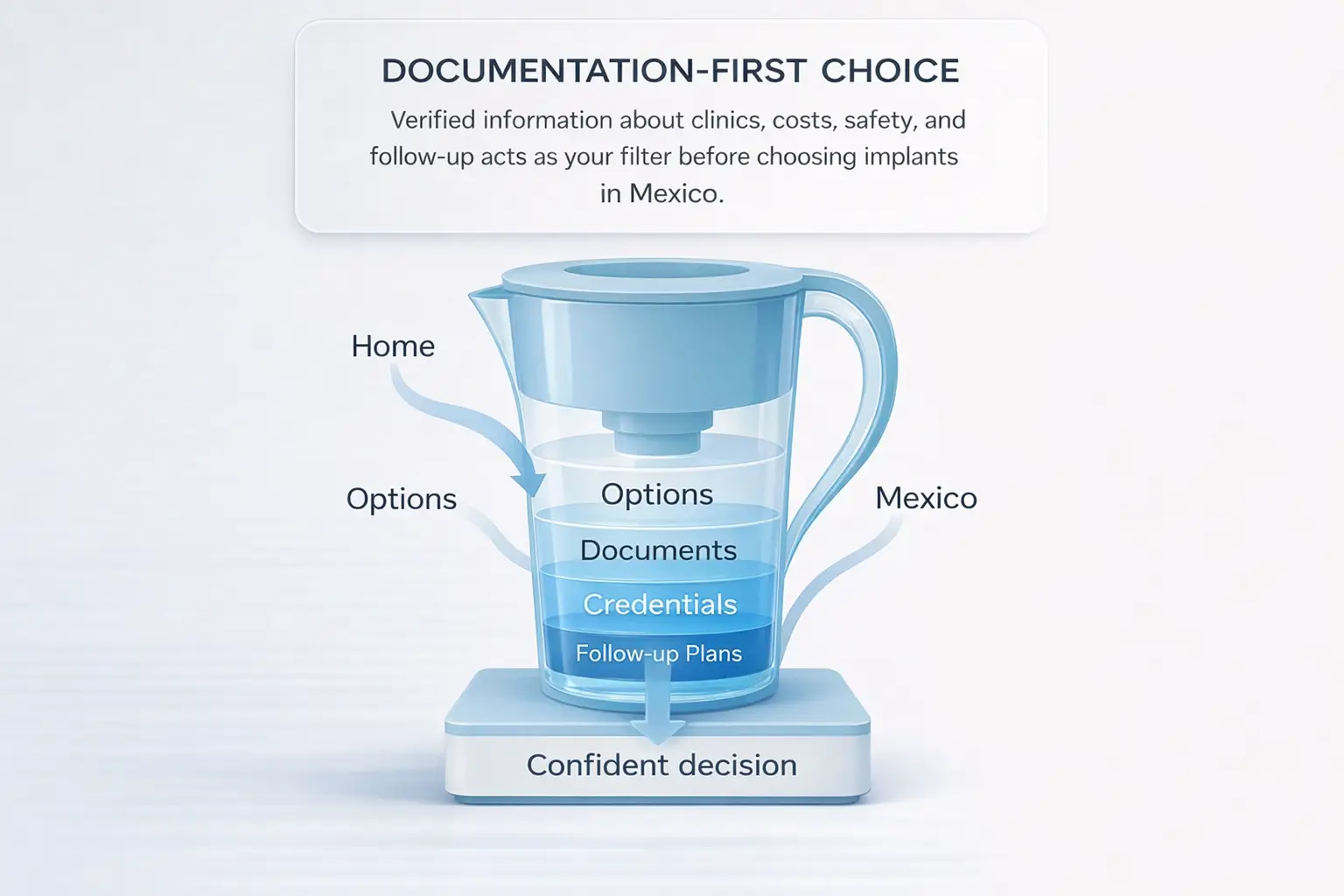
If you’ve priced dental implants in the U.S., you know how quickly costs add up. Most patients end up paying out of pocket because dental insurance caps are often $1,000–$2,000 annually, while a single implant can cost $3,000–$6,000 or more.
Mexico can significantly cut total costs, but those savings come with practical trade-offs: longer travel times, cross-border scheduling, and fewer legal protections than you’d have at home.
Mexico is usually a great fit if you:
The goal: spend less and minimize travel headaches without sacrificing quality.
This guide will help you answer:
For most patients, the hard part isn’t choosing between Mexico and the U.S. It’s knowing which clinics you can actually trust, and the fastest way to tell is by what they’re willing to document and put in writing.
Globalcare shows you pre-approved clinic profiles with pricing, credentials, patient reviews, and aftercare details in one place, so you can compare clinics directly instead of guessing or piecing data together.

Most dental implant cases are completed in stages, which means planning for multiple trips.The first visit typically covers implant placement and any needed extractions or bone grafting. After healing, often several months later, a second visit is required to place the final crown, bridge, or full-arch restoration.
Some patients may qualify for immediate load treatment, in which temporary teeth are placed shortly after surgery. However, eligibility depends on bone density, bite forces, and surgical planning. Even when immediate loading is possible, follow-up care and a second visit are still required to deliver the permanent restoration.
Travel time and destination become important constraints.Most patients are balancing care with work schedules, family responsibilities, and recovery time. Locations that require long flights or complex travel make repeat visits harder to manage.
This is why Mexico is a common choice for dental tourism.Trips are short, flights are frequent, and repeat visits are manageable. Other dental hubs, such as Hungary, Turkey, Thailand, South Korea, or India, typically involve longer travel and higher total trip costs.
A four-hour round trip is manageable. A 30-hour journey with connecting flights is not, especially when you're post-operative and swollen.
How close are you to treatment? Here’s what to expect when travelling from major U.S. cities:
Pro Tip: build in extra time. Border delays, in-person exams, swelling, bite adjustments, or post-op checks can all unexpectedly extend your stay. If you’re crossing the border, factor in shuttle or taxi time from nearby airports (like Yuma to Los Algodones, or El Paso to Ciudad Juárez).
Globalcare supports patients travelling to multiple destinations, each with its own pros and cons depending on what you are optimising for (speed, budget, vacation travel, or follow-up convenience):

Pricing fluctuates based on city, clinic, implant brand, and whether you need add-ons like CBCT scans, extractions, bone grafting, sinus lifts, temporary restorations, or sedation. The only fair way to compare options is with a current, fully itemized written quote that shows exactly what’s included and what’s billed separately.
That said, ballpark figures are still useful to understand how dramatically prices vary between countries and what’s generally realistic before you start requesting quotes.
The tables below reflect typical ranges patients see for common procedures in the U.S., Mexico, and other major dental tourism destinations.
How to read these numbers: “Single implant” refers to the full restoration (implant, abutment, and crown), not the implant fixture alone. “All-on-4” pricing covers per arch and may or may not include extractions, bone reduction, temporary teeth, imaging, or sedation, so always confirm what’s included in writing.
Pro tip: Many patients collect several written quotes and review them at home before booking. You can do this directly inside the Globalcare app.
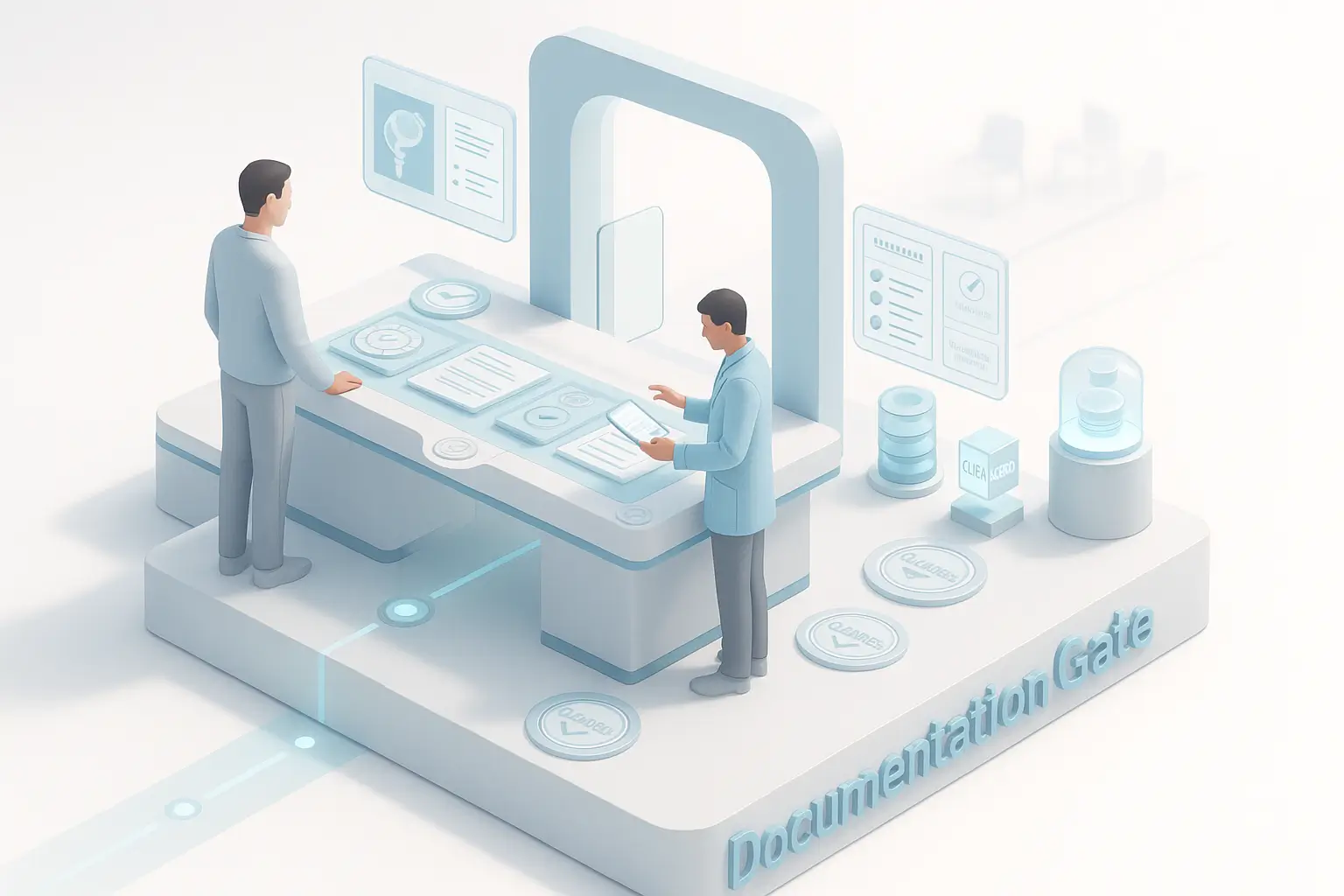
Think of these five checks as a safety net. When all of them are in place, the savings in Mexico usually hold up. When one is missing, like not knowing what implant brand you’re getting, or not having a warranty you can actually read and use, you’re taking on risks that can turn a “good deal” into a very expensive problem.
Start with the basics and get them in writing. Credentials tell you who is accountable for infection control, anesthesia safety, and treatment quality. If that’s unclear, you don’t really know who’s responsible if something goes wrong.
Ask for:
If they get vague, defensive, or are slow to provide this, consider it a red flag.
Marketing lines like “premium European implants” mean nothing without documentation. You need traceable parts and proof of a realistic outcome.
Ask for:
Common global systems you should recognize include Straumann, Nobel Biocare, Zimmer Biomet, Dentsply Sirona (Astra Tech), and BioHorizons. The goal is to make sure parts are documented and serviceable later.
Then ask about results:
If they won’t name the system or dodge outcome questions, that’s not transparency—that’s risk.
Ask for a signed, dated document that clearly states:
Even good warranties usually don’t cover travel. That’s why documentation and support matter just as much as the warranty itself.
A good quote is dated, in a clear currency, itemized, and not open-ended. For implant cases, it should list:
Also, get payment and change rules in writing: deposits, refunds, how plan changes are approved, and what happens if findings during surgery change the scope of care.
Aftercare is where medical tourism either feels smooth or becomes stressful. Good clinics don’t just say, “message us if you need anything.” They set clear follow-up steps, contact points, and what to do if anything needs adjustment after you’re home.
Look for:
If they can’t clearly explain what support looks like once you’re home, they’re focused on getting you through the procedure, not protecting your health.
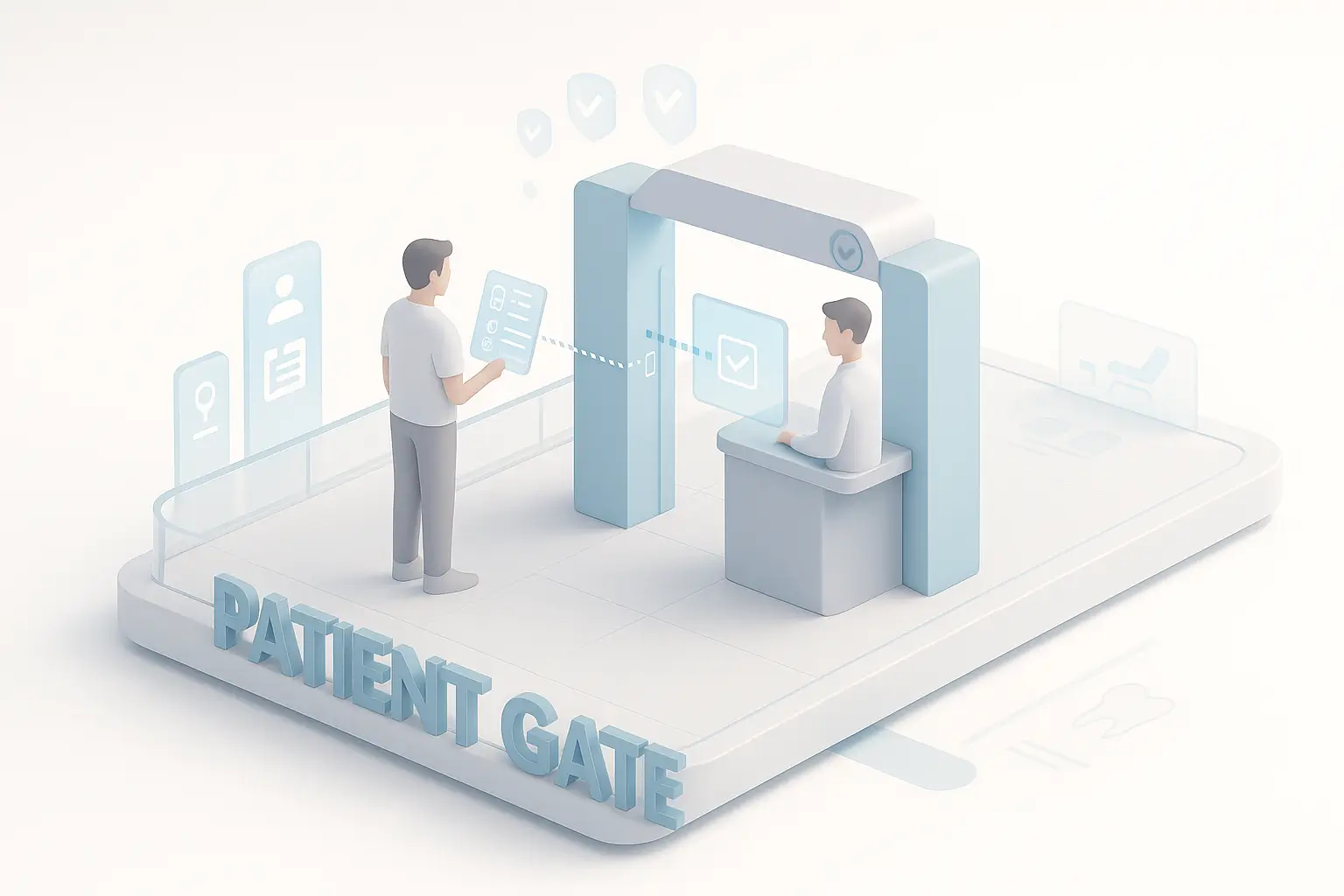
If a clinic can’t provide something, take it as a warning sign.
Clinic name: ___________________________
Treating dentist’s full legal name: ___________________________Their License number (cédula profesional): ☐ Yes ☐ No
The Implant brand and model they’ll use: ___________________________
A detailed, written price quote (with each service listed separately): ☐ Yes ☐ NoCurrency and date clearly stated: ☐ Yes ☐ No
Warranty details in writing: ☐ Yes ☐ NoWhat to do if something needs repair, and where that would happen: ___________________________
A written aftercare plan: ☐ Yes ☐ NoName and contact info of your aftercare coordinator: ___________________________
If one clinic’s price looks much lower, ask:
Lower prices often reflect a narrower scope, not better value.
Most implant treatments happen in stages. Before booking, we recommend confirming:
If you plan to combine care abroad with routine monitoring at home, complete records are essential.
We recommend collecting multiple written quotes and reviewing them carefully before booking, which you can do directly in the Globalcare app, with the peace of mind that you’ll be comparing pre-approved clinics vetted by the Globalcare team.
A few practical steps eliminate avoidable stress and last-minute surprises.
A good clinic should walk you through your visit schedule and explain exactly what happens if you need an extra check or adjustment.

If something feels off, act immediately:
Escalation path (keep it structured):
You can often confirm safety culture quickly through a virtual tour, photos, or what you observe on-site.
Deal-breakers: obvious lapses like unsealed instruments, an unclear sterilization process, or no coherent emergency plan. If you see it, document it (timestamped photos, if appropriate) and do not talk yourself into proceeding.
Good communication is a safety feature. Before booking, test how the clinic communicates when nothing is urgent, because that is usually the best version of their responsiveness.
Reasonable expectations:
A warranty only helps if you can use it. Here is a practical, step-by-step approach:
The more complete your documentation package is (itemized quote, warranty PDF, implant traceability, clinical notes), the easier it is to resolve problems quickly.
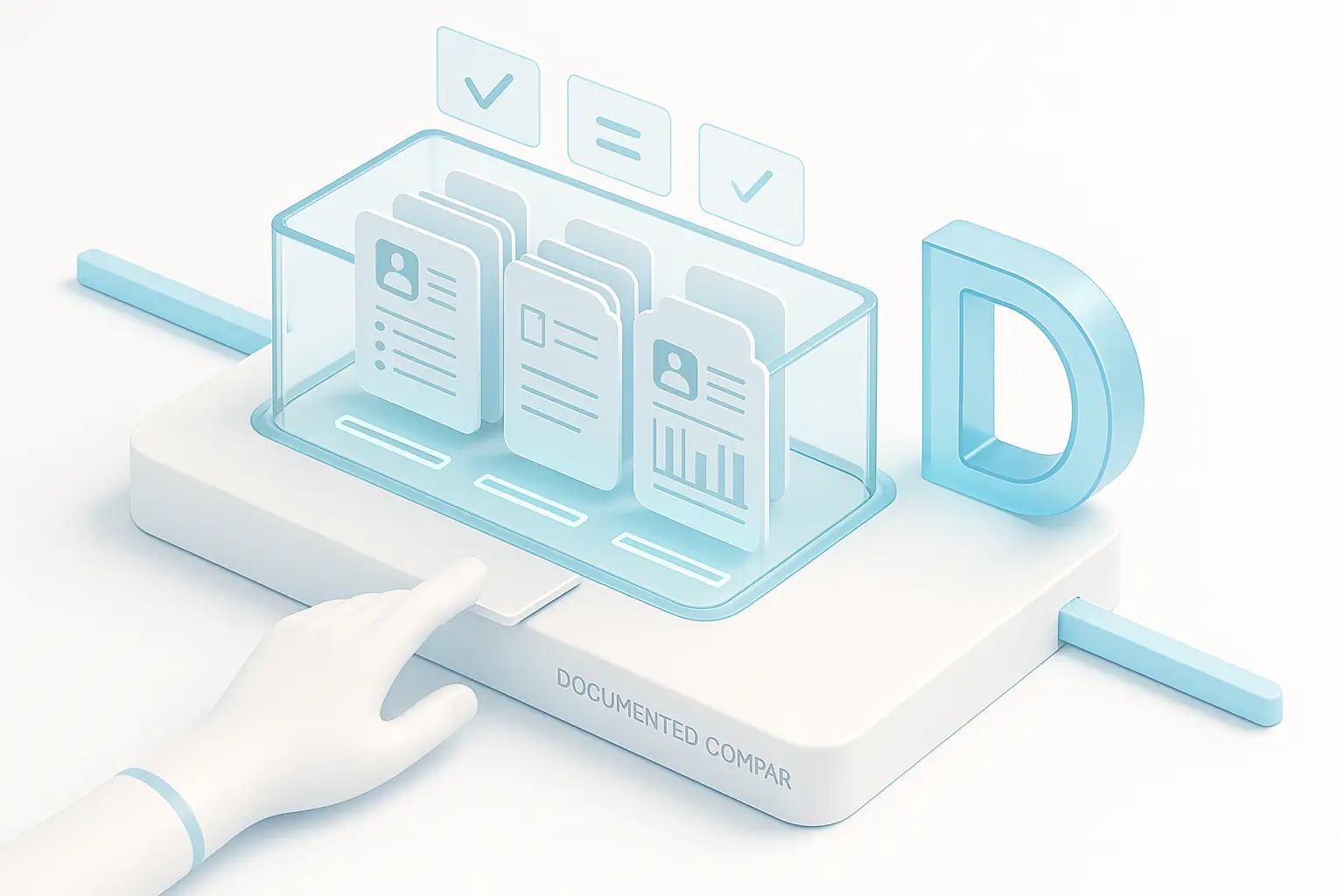
Use a consistent process so quotes are comparable and documentation stays complete:
This isn’t about finding the lowest price. It’s about confirming that pricing, materials, credentials, and aftercare match what’s actually being promised.
If you want to streamline this process, the Globalcare app allows you to:
Editorial disclosure: We may earn a commission if a patient books through the app. Clinic listings and recommendations are based on documented, verifiable criteria, not paid placement.
Most U.S. patients pursuing full-arch restoration (All-on-4/All-on-6) save 25–50% after including all travel expenses. Here's the complete breakdown traveling from LAX to Cancun with 4-5 star accommodations:
U.S. Full-Arch Cost (per arch): $15,000–$35,000
Mexico Total Investment (per arch):
Net savings: $5,930–$14,930 per arch, even with premium accommodations and two round-trip flights.
Note: Border clinics (Los Algodones, Tijuana) accessible by car from Southern California eliminate $1,000–$1,640 in airfare, increasing savings. Budget-conscious travelers using 3-star hotels and mid-range dining can reduce total travel costs by an additional $1,800–$3,000.
Yes, it can be very safe when you choose the right clinic. The quality depends on the team and the standards they follow, not the country.
A safe clinic will clearly show who the implant surgeon is, share real case examples, use well-known implant brands like Straumann, Nobel Biocare, or Zimmer Biomet, provide full scans and a written treatment plan, explain how they control infections, give you a written warranty, and tell you exactly who to contact if something goes wrong after you leave.
Look for transparent credentials, consistent results (many established clinics report success rates above 95%), and clear documentation at every step. Be cautious with clinics that avoid paperwork, push their own private implant brand, pressure you to pay quickly, or promise results without putting anything in writing.
Most implant warranties cover the implant itself for 5–10 years and the crown or bridge for 1–5 years, though some clinics advertise longer coverage or even lifetime warranties. The fine print matters.
Warranties usually do not cover damage from accidents, grinding or bite problems, smoking, poor oral care, or treatment done by another dentist. If something fails under warranty, repairs are almost always required at the original clinic. The replacement parts may be covered, but travel, lodging, and labor costs usually are not.
Coverage only applies if you follow the clinic’s maintenance and aftercare instructions. If the warranty isn’t clearly written and signed, assume it won’t protect you when you actually need it.
For a straightforward single implant, most patients stay 2–4 days. Full-arch cases typically require 5–10 days for surgery, temporary teeth placement, and bite adjustments.
Most treatments involve two trips separated by a healing period of roughly 3–6 months while the implant integrates with the bone. The first visit covers implant placement and temporary restorations (when applicable). The second visit, usually another 5–10 days, is for final teeth fabrication, fitting, and fine adjustments. More complex cases, such as heavy grafting or revisions, may require a third visit or longer healing.
Always plan at least one buffer day after surgery before flying home to allow for swelling, medication reactions, bite corrections, or unexpected follow-ups.
From start to finish, the total treatment timeline typically ranges from 4–8 months and can be longer in complex cases.
The clinic should provide the implant brand and model in writing, along with the traceability labels, lot numbers, and serial numbers from the actual components used. These should match your invoice and your clinical records. Keep all of this documentation permanently in case another dentist ever needs to service or replace parts.
Well-known premium implant brands include:
These brands have decades of clinical research, strong global support, and widely available replacement parts. That matters if you ever need repairs, adjustments, or follow-up care in another country.
If a clinic cannot clearly provide this information, or pushes a private or untraceable implant system, that’s a real risk, not a small detail.
Compare at least three itemized quotes and make sure each one clearly includes:
Focus on what’s actually included and documented, not the lowest headline price or verbal promises. A cheaper quote often leaves out grafting, temporaries, imaging, or adjustments.
If you want to speed this up, comparison platforms like Globalcare can help surface vetted clinics and side-by-side pricing and details.
Medical note: This guide is educational and not a substitute for professional medical advice. A licensed dentist or oral surgeon should evaluate your medical history, imaging, and goals before you choose any implant provider, domestic or international.
Get in touch to get started!
Our team of experts will ensure your all-on-4 dental implants journey is safe and easy. We're dedicated to guiding you to your new smile every step of the way!
ConnectConcierge Services

Trusted Dentists

Safe Locations

Concierge Services
Trusted Dentists
Safe Locations

Disclaimer: Dental Cost Estimation Calculator
This Dental Cost Estimation Calculator is designed to provide users with estimates of potential savings when seeking dental treatments abroad compared to the cost of similar procedures in the United States. However, please be aware of the following important information before using this tool:
1. Estimations Based on Publicly Available Data:
The estimates provided in this calculator are derived from publicly available data sources, including average procedure costs, exchange rates, and other relevant information. These figures may not reflect the exact costs of your specific treatment or location. Estimations include non-dynamic assumptions for travel and lodging costs that may not reflect the actual costs at the time of your research.
2. Quantitative Model Assumptions:
The calculations are based on assumptions and data inputs that may not account for all factors influencing dental treatment costs. Variations in individual treatment needs, dentist fees, and other variables can significantly affect the final expenses.
3. No Substitute for Professional Advice:
This tool is not a substitute for professional dental advice. Before making any decisions about your dental treatment, it is crucial to consult with a qualified dental professional who can provide you with a personalized assessment of your needs and potential costs.
4. Currency Exchange Rates:
Estimates involving foreign treatment costs rely on currency exchange rates, which can fluctuate. The rates used in this calculator may not accurately represent the current market rates at the time of your treatment.
5. Geographic and Facility Variations:
Dental costs can vary significantly based on geographic location, dental facility, and the complexity of the procedure. The estimates provided are general in nature and may not reflect the specific conditions in your chosen destination or dental clinic.
6. Non-Inclusive Costs:
This calculator may not account for additional expenses such as per diem costs in destination or unforeseen complications during or after the procedure. These costs can substantially impact your overall expenses.
7. Liability Waiver:
By using this calculator, you acknowledge that the estimates provided are for informational purposes only, and Globalcare Network Inc or any of its representatives bear no responsibility for the accuracy of the estimates or any decisions made based on them.
8. Independent Research Recommended:
It is strongly recommended that you conduct independent research, obtain quotes from dental professionals, and consider all relevant factors when making decisions about dental treatment abroad.
In summary, while this Dental Cost Estimation Calculator aims to provide helpful information, it should not be the sole basis for your decision-making process. Your individual circumstances and dental needs may differ, and it is essential to seek professional advice and conduct thorough research before pursuing dental treatment abroad

